
Machine or hand use
State the intended operating method so the proposed tap format can be confirmed.

Catalog reference image with photograph and drawing.
STANDARD TAP SERIES
Machine and hand taps selected by thread standard, diameter and pitch. Include machine or hand use, workpiece material and through-hole or blind-hole details.
Machine and hand taps cover internal-thread tooling selected by a complete thread designation and the intended method of use. The catalog identifies both tool types, so an inquiry should distinguish them rather than request a generic tap by diameter alone. Include the workpiece material, hole type and required thread depth to define the proposed tool.
State the intended operating method so the proposed tap format can be confirmed.
Include standard, diameter, pitch, direction and required tolerance in the inquiry.
The workpiece and through or blind hole requirement guide the tool specification review.
For a metric coarse thread, start with the metric coarse tap dimension table, then specify machine or hand use. For a wire insert, use the wire thread insert tap requirements; the insert-receiving thread must match the chosen insert system, not just the finished screw size.
If the drawing calls for a special profile, retain the complete thread callout. The special-tap inquiry guide explains what to include for a drawing review.
For materials producing continuous chips, spiral-point cutting taps are commonly selected for through holes, while spiral-flute cutting taps are commonly selected for blind holes. Hole type is a starting point, not a complete tool specification: material, chip behavior, depth and the machining method still need review.
Do not infer the flute geometry from the words machine tap or from the thread diameter. Include a photograph or drawing of the current tool when requesting a replacement. These are selection principles; the available flute and chamfer configuration must be confirmed for the quoted tool.
Technical reference: OSG tap-type selection overview.
State the required full-thread depth and the available drilled-hole depth separately. The tap lead does not produce a complete thread along its whole length. The lead geometry, bottom clearance and chip space must be checked against the hole drawing; a bottoming description alone does not establish that full threads can extend to the hole bottom.
Send the complete thread callout, required full-thread depth, drilled-hole dimensions, workpiece material, machine or hand use, and quantity. Add the tap shank and driving-square dimensions if an existing holder must be retained. A damaged thread alone may not identify the original specification.
Request a tap quotation with the hole requirements. For a documented example of why lead geometry and bottom chip clearance matter, see Yamawa’s chamfer guidance; its product-specific cutting data are not FuRui ratings.
The company catalog lists this product family without a dimensional table. Confirm thread standard, pitch, tolerance and application before quotation.
| Required order data | Accepted information |
|---|---|
| Thread | Standard, diameter and pitch |
| Application | Machine or hand use |
| Workpiece | Material and hole type |
Typical selection contexts for this series, not customer project claims. Confirm machine compatibility and cutting conditions for your setup.
Creating specified internal threads in a documented machining or hand-tool operation.
Replacing a known tap using its markings and the original thread requirement.
Building separate machine-tap and hand-tap size schedules for quotation.
Specify the dimensions, tolerances and records your order requires. Acceptance criteria must be agreed for the selected model.
Check the drawing reference faces and units. A catalog size alone does not define a tolerance or an inspection method.
List any required dimensional report, material document or model identification photograph in your inquiry. Confirm availability and scope in the quotation.
For a drawing-based part, include the drawing revision and identify the critical dimensions. Website photographs are not inspection reports.
Agree the packing method and photo requirements when confirming your order.
No verified shipment photographs for this series are currently published. Include selected-model, protective-packing and outer-label photos in your order requirements.
Discuss packing requirementsUse this checklist to agree what should be documented for your selected model.
Stock, dispatch date and shipping method are confirmed with the quotation. Website images are not live inventory evidence.
Keep a copy of the current series information for comparison. Confirm the final model and drawing before placing an order.
View specificationsPrepare the thread designation, workpiece drawing and tool connection.
Read the guideBrowse the existing tooling guides and compare product families before selecting a model.
Browse technical resourcesCompare alternative interfaces and complementary tooling. A related series is not automatically interchangeable.
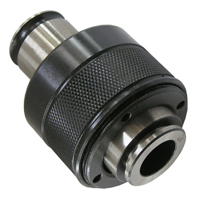
GT3 / GT12
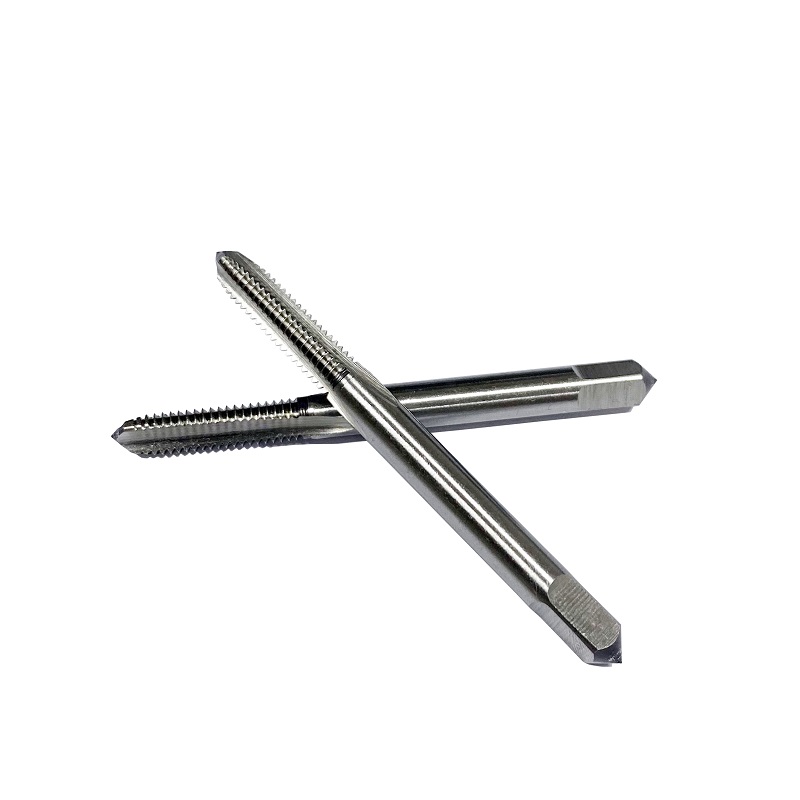
COARSE THREAD
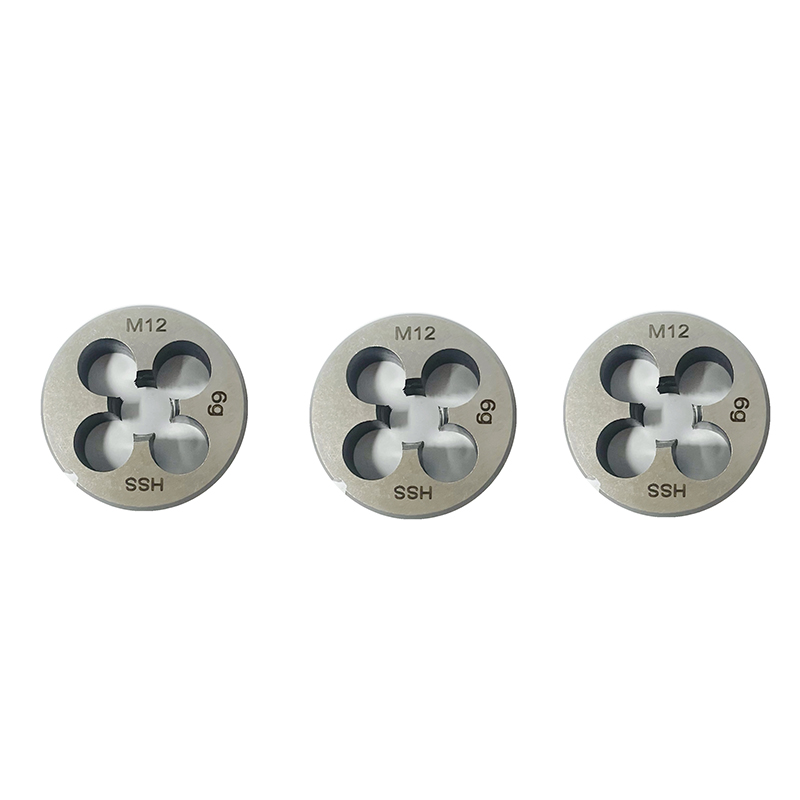
ROUND DIE SERIES
No. Include the thread standard, pitch, direction and tolerance, plus the intended application.
State which type is required. The catalog names both, and the supplied format must be confirmed.
No. State both depths on the hole drawing. The tap lead geometry, bottom clearance and chip space must be checked; a bottoming description alone does not define the achievable full-thread depth.
No application-specific values are established on this page. Material, hole geometry and the final tool specification must be reviewed.