
Tool holding interfaces
Holder connections, clamping dimensions, working length and clearance around the tool.
View tool holdersOEM CUSTOMIZATION
A practical review of interfaces, dimensions and application requirements before a custom tooling quotation.
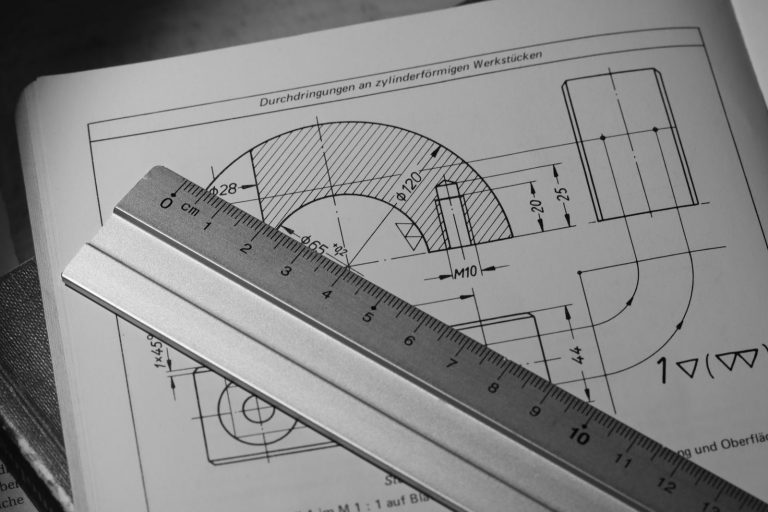
Standard series provide the starting point. Non-standard dimensions and features are reviewed for the intended application.
Holder connections, clamping dimensions, working length and clearance around the tool.
View tool holdersThread designation, workpiece material, hole type and dimensions for special threading requirements.
View threading toolsConnection geometry, travel, installation dimensions and output direction, where applicable.
View machine componentsDiscuss identification, packaging and documentation needs with the product and quantity. Availability is confirmed in the quotation.
Prepare your requirementsAgree on fit, function and inspection details before moving to an order.
Send a drawing or reference, the machine model, operation and target quantity.
Check interfaces, critical dimensions, tool access and any clearance limits.
Agree on the drawing, inspection requirements and any sample needs, together with price and delivery terms.
Confirm marking, packaging, documentation and the approved reference for repeat orders.
Custom specifications, sample arrangements, minimum quantities and lead times are confirmed for each project. No general specification replaces the agreed drawing.
Clear input helps us understand the application and identify the details that still need confirmation.
Yes. A photo and the available dimensions can start the discussion. Critical dimensions, interfaces and inspection requirements still need to be confirmed before an order is agreed.
Minimum quantities, sample arrangements and delivery times depend on the product, specification and quantity. These are confirmed in the quotation for your project.
Share the model or your machine requirements. A standard series may be suitable without a custom design. You can also browse the Product Center to compare available series.