
NEWS & GUIDES
How to quote a drawing-based special tap
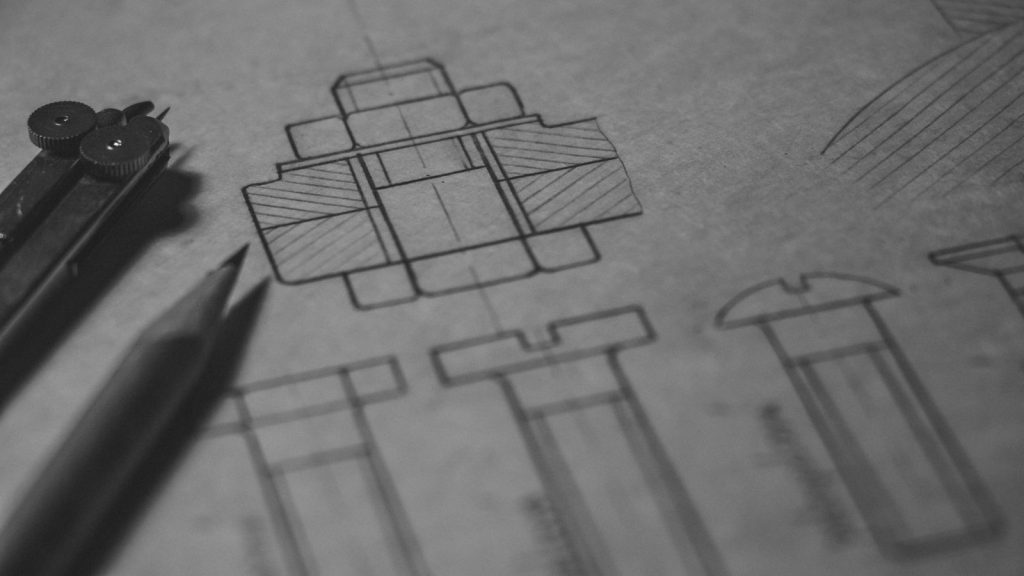
A useful special-tap inquiry defines the finished thread and the machine setup, not just the shape of the existing tool. Send the part drawing as well as the tap drawing where available. This makes it possible to separate what the component must achieve from the tooling dimensions used to produce it.
Write the complete thread requirement
Include the thread standard or dimensioned profile, nominal size, pitch or threads per inch, direction and specified tolerance or fit. For a nonstandard profile, identify the flank geometry and the relevant diameters on the drawing. If the thread has multiple starts, state both the number of starts and the lead; do not leave the manufacturer to infer them from a single pitch value.
Our trapezoidal taps, buttress taps and 55-degree pipe taps are separate families. A common nominal diameter does not make these thread forms interchangeable. For pipe threads, retain the full thread designation rather than replacing it with a measured outside diameter.
Define the part and hole
- Material grade, heat treatment or condition, and hardness if known.
- Through or blind hole, required full thread depth and available drilled depth.
- Existing bore diameter, entry chamfer and any interrupted surfaces.
- Machine type, tapping method and available coolant.
- Any later coating or treatment of the part that affects the specified finished thread.
Material properties and hole type influence tap selection. Sandvik Coromant’s tap-selection guidance discusses these inputs. Do not substitute a forming tap for a cutting tap without reviewing the material, preparation of the hole and process requirements.
Separate tool geometry from acceptance criteria
The tool drawing should show shank diameter, square dimensions, overall length, thread length, neck or reduced sections, and the length available for clamping. Mark the drawing revision and units clearly. A short tap intended for an open setup may not reach a recessed feature even when its thread designation is correct.
Inspection requirements should identify how acceptance will be decided: the agreed thread-gauge system or dimensions, any sample-part inspection and the records needed with shipment. A tap tolerance label is not automatically the finished component’s acceptance specification. Ask the supplier to confirm the relationship for the proposed tool and workpiece process.
Give quantities in a way that supports comparison
Separate the trial quantity from the expected repeat-order quantity, state the delivery country and identify the required delivery date. Ask for the quotation to distinguish tooling design or setup costs, unit price, sample approval and any requested inspection documentation. These are items to agree, not services assumed to be included.
If only a worn sample is available, send photographs, markings and measured dimensions, but label them as a sample reference. Wear may have changed the dimensions that matter. Confirm the proposed drawing before production rather than treating a photograph as a manufacturing specification.
Send a drawing package for review
Use our OEM customization page to prepare a request, then send the part and tooling requirements. Technical feasibility, material, coating, minimum quantity and lead time will depend on the approved configuration.
For context, OSG’s special-tooling overview distinguishes custom threading from other custom cutting tools. It is a reference to the scope of special tooling, not a claim that FuRui offers another manufacturer’s designs or delivery terms. References checked 5 September 2026.