
Tailstock connection
Confirm the Morse taper designation and the actual machine-side fit.
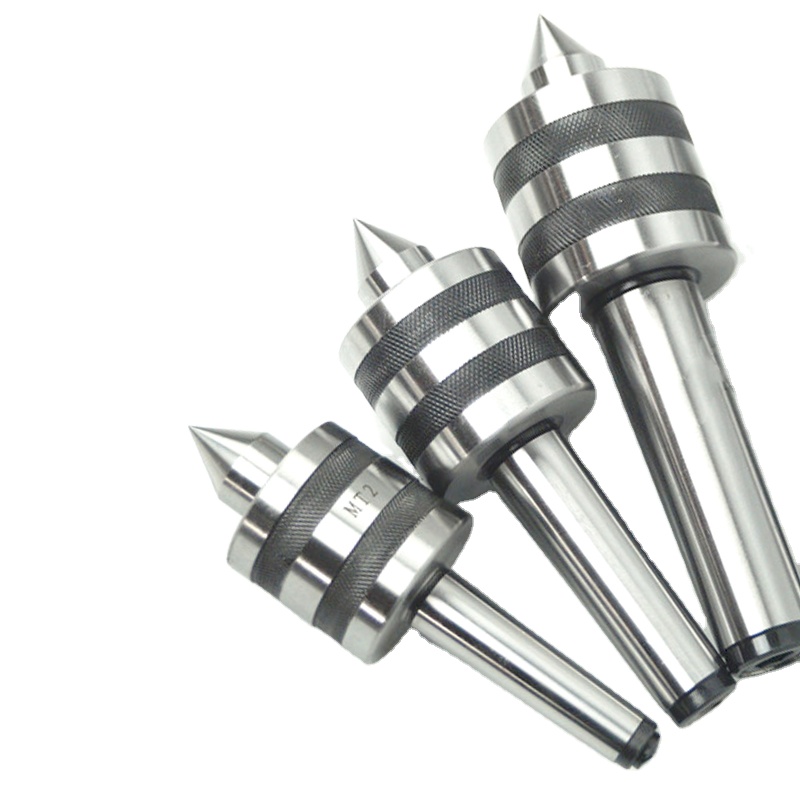
Supplier reference photo. Morse-taper live-center examples; taper, workpiece load, speed and point geometry require confirmation.
MT LIVE CENTER SERIES
Morse taper live centers for lathe tailstocks. Identify the taper and point geometry, then provide workpiece diameter, weight and speed for model selection.
Live centers support a workpiece at the lathe tailstock with a rotating point. Match the Morse taper to the tailstock, then check the point profile against the workpiece center hole. Workpiece size, weight and operating speed are separate selection inputs; confirm the load and speed limits of the proposed model before use.
Confirm the Morse taper designation and the actual machine-side fit.
Provide the required point profile and the workpiece's center-hole details.
State workpiece size, weight and speed for selection against a confirmed center specification.
A live center’s Morse taper identifies its machine connection, not its complete working capacity. When comparing models, keep these decisions separate:
Industry catalogs separate heavy-load, high-speed and restricted-access designs for these reasons. Those categories are selection concepts, not a claim that all versions are available from this listing.
Selection references: Riten live-center selection and RÖHM live-center design families.
Send a full side view of the existing center, a close-up of its marking and a drawing or clear view of the workpiece center hole. A side view alone may show the taper but hide the contact geometry that matters at the point.
If the existing tool is a fixed-point design, compare Morse taper dead centers before substituting. Request a live-center quotation with the three views and operating details.
Dimensions are in millimeters unless otherwise stated. Confirm the final drawing before ordering.
| Required order data | Accepted information |
|---|---|
| Taper | MT designation |
| Workpiece | Diameter, weight and speed |
| Point | Standard point or dimensioned drawing |
Typical selection contexts for this series, not customer project claims. Confirm machine compatibility and cutting conditions for your setup.
Supporting a suitable shaft workpiece in a documented lathe setup.
Matching an existing live center's taper, envelope and point geometry.
Reviewing a drawing-defined support point where access is restricted.
Specify the dimensions, tolerances and records your order requires. Acceptance criteria must be agreed for the selected model.
Check the drawing reference faces and units. A catalog size alone does not define a tolerance or an inspection method.
List any required dimensional report, material document or model identification photograph in your inquiry. Confirm availability and scope in the quotation.
For a drawing-based part, include the drawing revision and identify the critical dimensions. Website photographs are not inspection reports.
Agree the packing method and photo requirements when confirming your order.
No verified shipment photographs for this series are currently published. Include selected-model, protective-packing and outer-label photos in your order requirements.
Discuss packing requirementsUse this checklist to agree what should be documented for your selected model.
Stock, dispatch date and shipping method are confirmed with the quotation. Website images are not live inventory evidence.
Keep a copy of the current series information for comparison. Confirm the final model and drawing before placing an order.
View specificationsInclude the mating interfaces, critical dimensions and quantity. Specify any required inspection or documentation in the inquiry.
OEM customizationBrowse the existing tooling guides and compare product families before selecting a model.
Browse technical resourcesCompare alternative interfaces and complementary tooling. A related series is not automatically interchangeable.
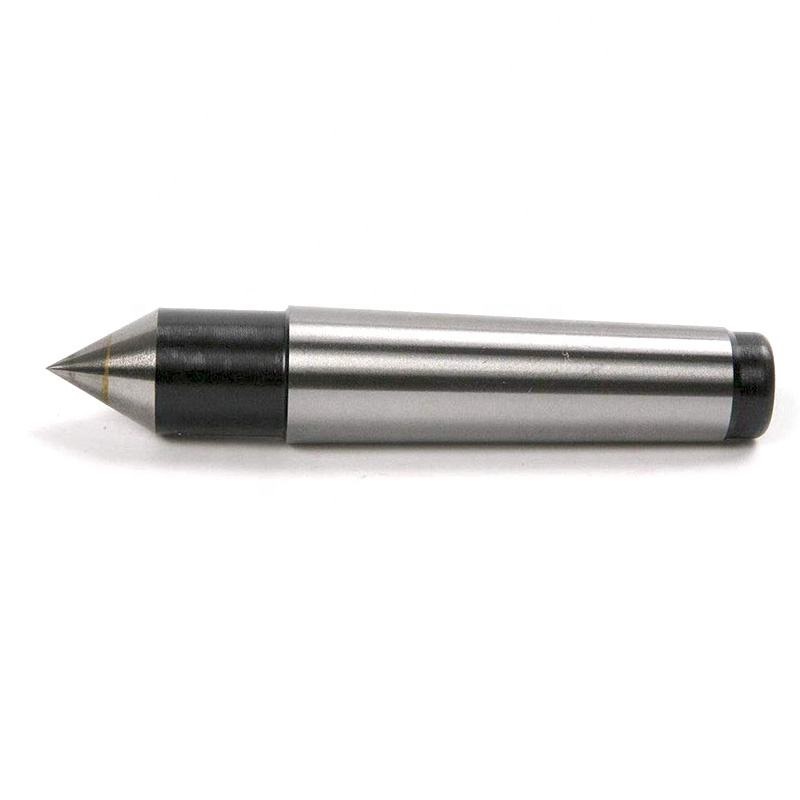
MT DEAD CENTER SERIES
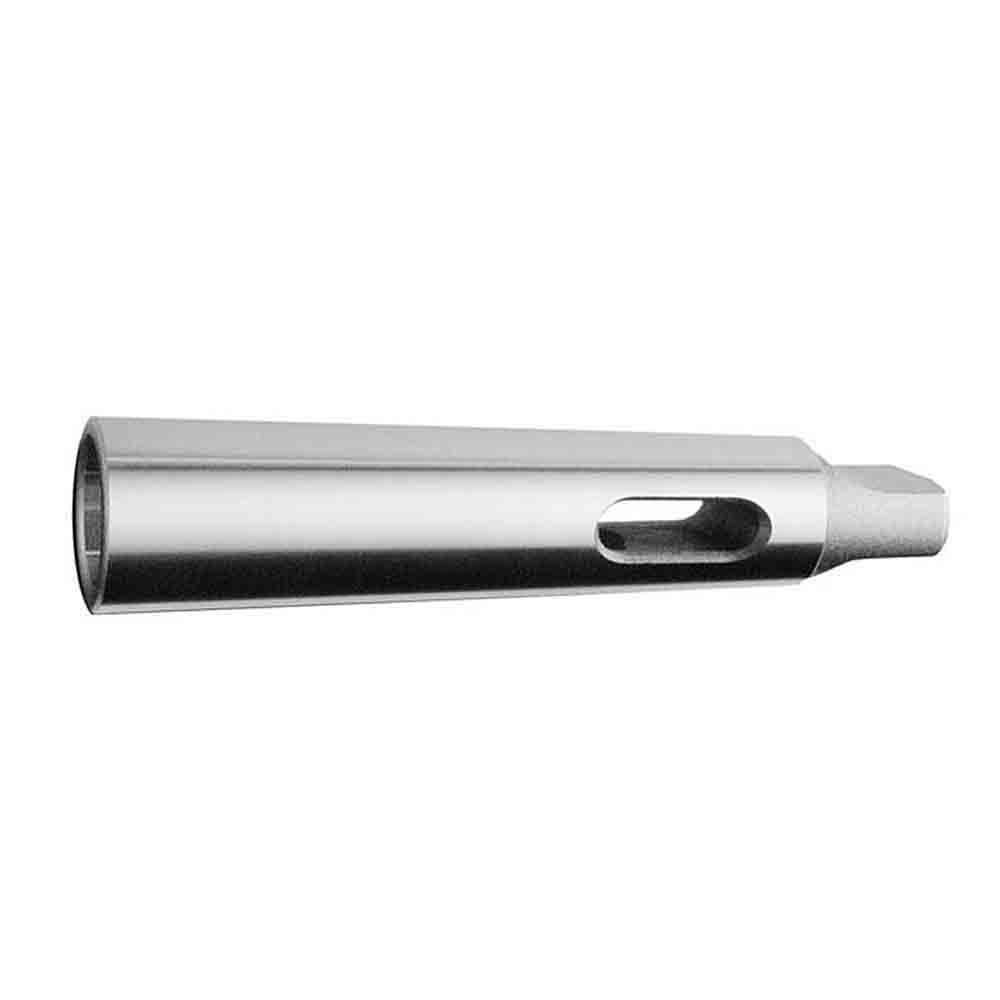
MT ADAPTER SERIES
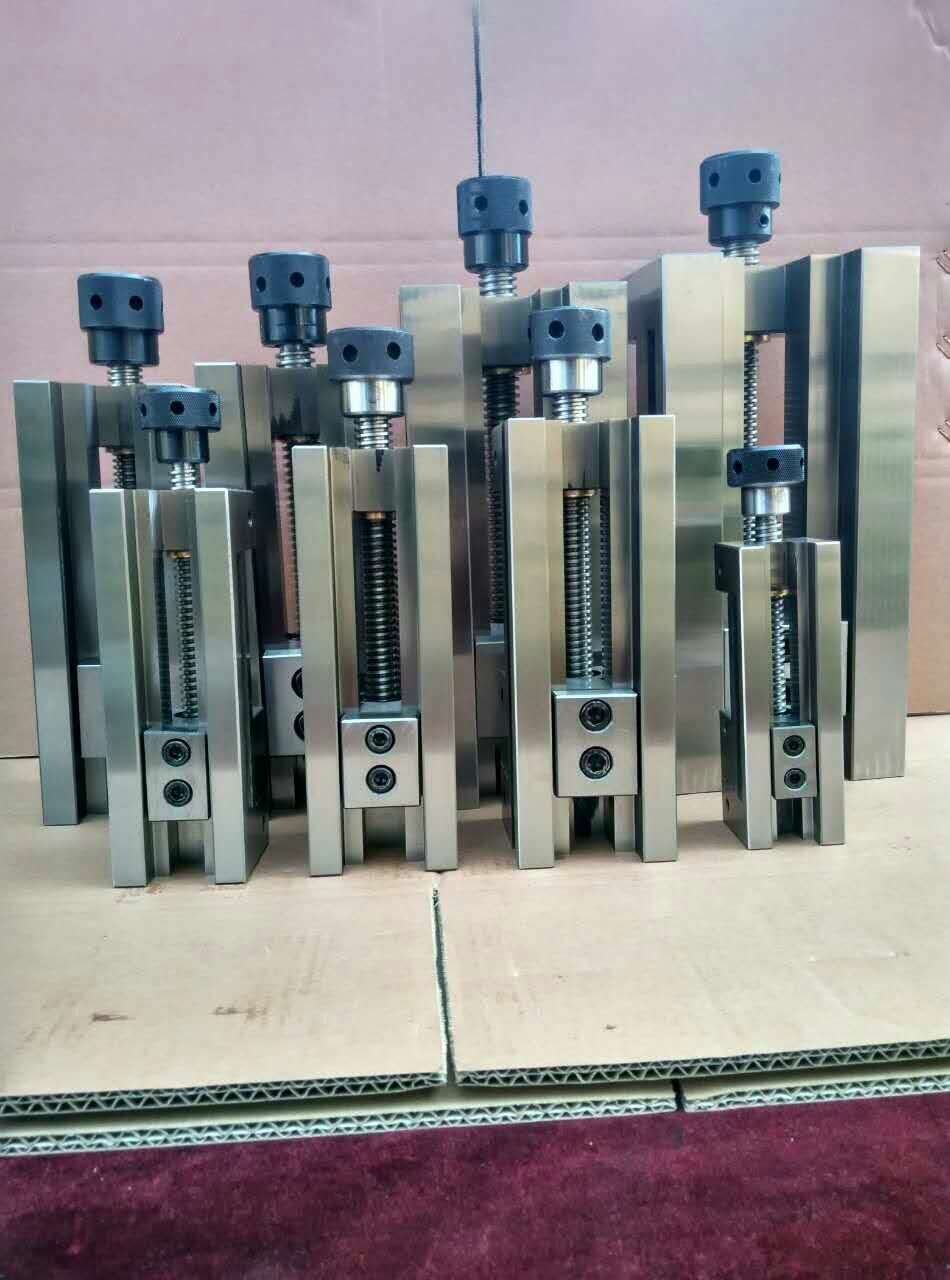
QG50-QG150
No capacity is established by this family page. Supply the workpiece and operating requirements for confirmation.
No. Taper and point geometry are separate selection requirements.
Send the intended speed, workpiece dimensions and weight, plus the tailstock taper and required point profile. Ask for the proposed model's rated limits; no single speed rating applies to this family listing.
A live center has internal bearings that let its point rotate relative to the shank; a dead center has no internal bearings. A shared Morse taper does not establish equivalent point clearance, load capacity or operating suitability. Review the complete setup before substituting.