
Fixed-center format
This page describes a dead center rather than the rotating live-center family.
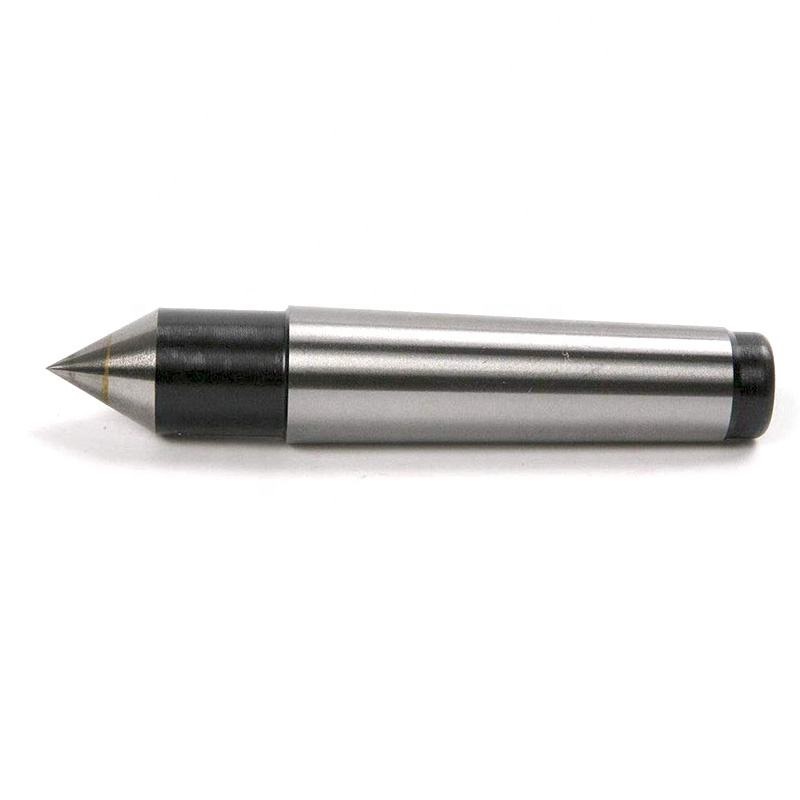
Supplier reference photo. Carbide-tipped dead-center example; Morse taper and point details are confirmed before ordering.
MT DEAD CENTER SERIES
Fixed Morse taper dead centers for turning, grinding and inspection. Specify the MT size and point angle, or provide a drawing for the required point geometry.
Dead centers provide fixed-point support for turning, grinding and inspection setups. Specify the machine taper and point geometry separately, using the workpiece center-hole drawing where possible. Include the operation and required inspection criteria so the point construction and fit can be reviewed. Confirm these details for the selected model rather than assuming that all dead centers share the same material or capacity.
This page describes a dead center rather than the rotating live-center family.
Specify the Morse taper and the drawing-defined point geometry independently.
State turning, grinding or inspection use so the proposed specification can be confirmed.
A full dead center keeps the complete point. A half-center design removes part of the point to give a grinding wheel more access near a small workpiece. The cutaway is therefore an access feature, not a different machine taper.
Start with the workpiece center hole and the wheel or tool approach. Compare point angle, contact area, projection and the clearance envelope on a drawing. A familiar Morse taper size does not settle those details. Point construction, including any carbide tip, must be identified separately.
Technical background: Riten dead-center construction and maintenance. These general design distinctions do not establish FuRui stock or model ratings.
Inspect both the mounting taper and the workpiece center hole. Debris, damaged seating surfaces, grooves or wear rings can affect support; a new center alone will not correct a damaged or poorly formed center hole.
For a grinding inquiry, send the center-hole detail and wheel-access drawing. For an inspection fixture, send the datum arrangement and acceptance criteria. Add the existing center code, machine connection and requested point construction so the quotation addresses the actual replacement.
Request a dead-center drawing and quotation. If your requirement is a bearing-supported rotating point, compare the separate live-center selection page.
Dimensions are in millimeters unless otherwise stated. Confirm the final drawing before ordering.
| Required order data | Accepted information |
|---|---|
| Taper | MT designation |
| Point angle | Standard or drawing |
| Application | Turning, grinding or inspection |
Typical selection contexts for this series, not customer project claims. Confirm machine compatibility and cutting conditions for your setup.
Supporting a part whose inspection setup is defined around its center holes.
Reviewing a fixed center against the grinding machine and workpiece arrangement.
Matching an existing center by taper, point and overall envelope.
Specify the dimensions, tolerances and records your order requires. Acceptance criteria must be agreed for the selected model.
Check the drawing reference faces and units. A catalog size alone does not define a tolerance or an inspection method.
List any required dimensional report, material document or model identification photograph in your inquiry. Confirm availability and scope in the quotation.
For a drawing-based part, include the drawing revision and identify the critical dimensions. Website photographs are not inspection reports.
Agree the packing method and photo requirements when confirming your order.
No verified shipment photographs for this series are currently published. Include selected-model, protective-packing and outer-label photos in your order requirements.
Discuss packing requirementsUse this checklist to agree what should be documented for your selected model.
Stock, dispatch date and shipping method are confirmed with the quotation. Website images are not live inventory evidence.
Keep a copy of the current series information for comparison. Confirm the final model and drawing before placing an order.
View specificationsInclude the mating interfaces, critical dimensions and quantity. Specify any required inspection or documentation in the inquiry.
OEM customizationBrowse the existing tooling guides and compare product families before selecting a model.
Browse technical resourcesCompare alternative interfaces and complementary tooling. A related series is not automatically interchangeable.
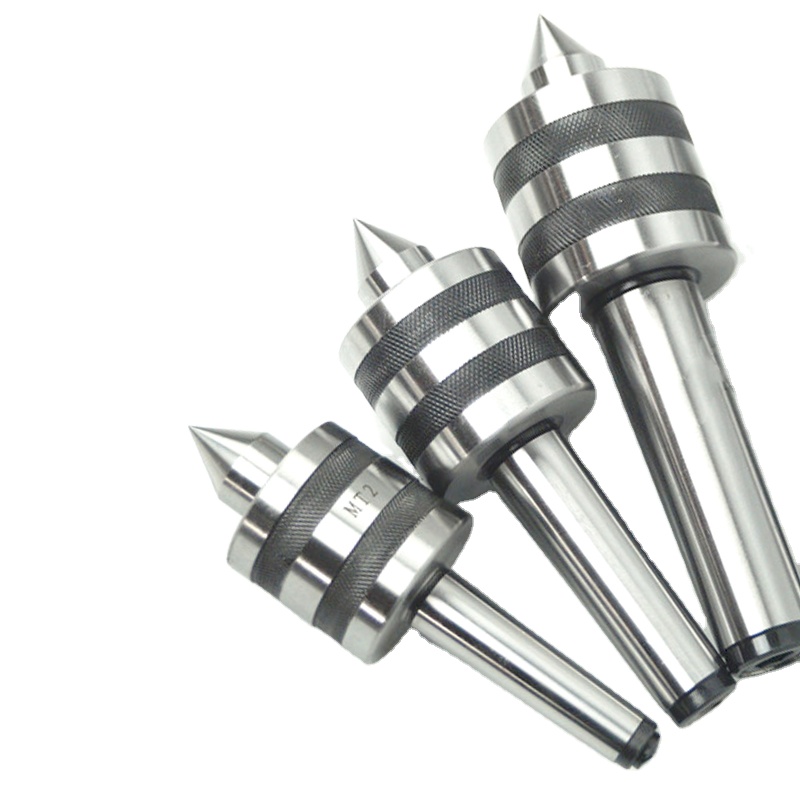
MT LIVE CENTER SERIES
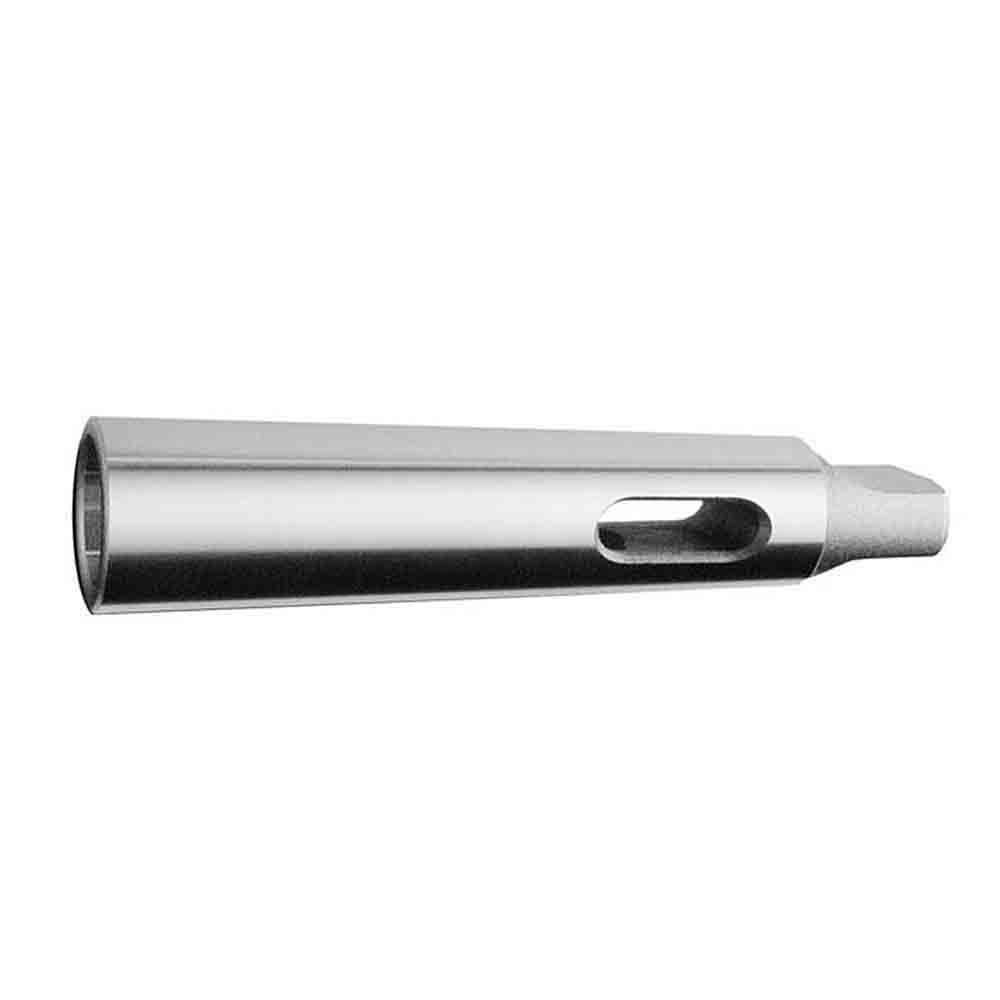
MT ADAPTER SERIES
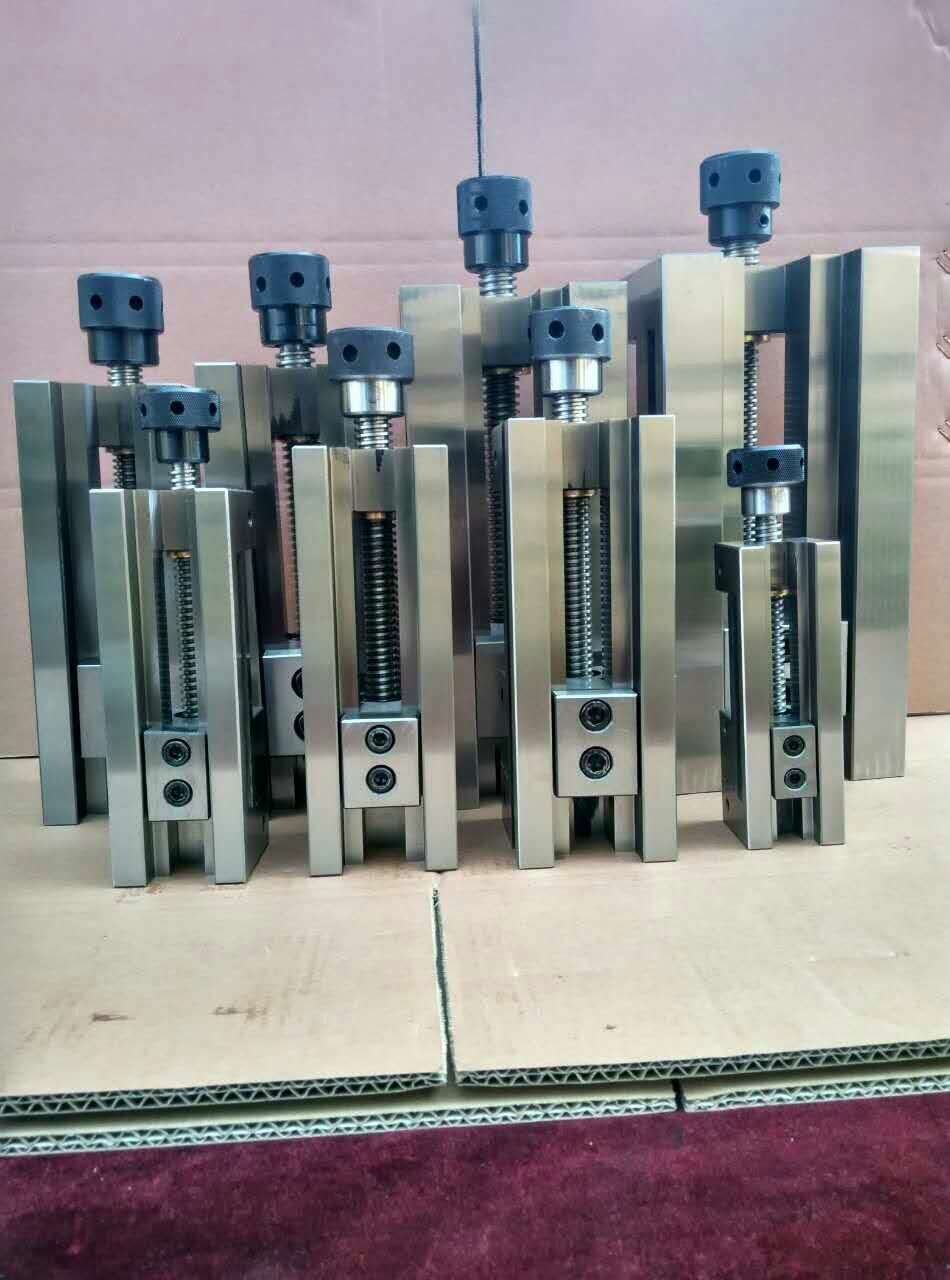
QG50-QG150
No. A dead center has no internal bearings; a live center does. A dead center can nevertheless rotate as part of a rotating machine mounting, so classify the center by its construction as well as the setup.
Specify whether you need a carbide-tipped or another point construction, and confirm it on the quotation and drawing. The family listing does not establish one point material for all supplied models.
Confirm the point angle and profile on the drawing instead of relying on the family name.
Provide the machine or fixture connection, workpiece center-hole geometry and required inspection criteria.