
Machine-side definition
Provide the CAT size and machine documentation needed to confirm the spindle connection.
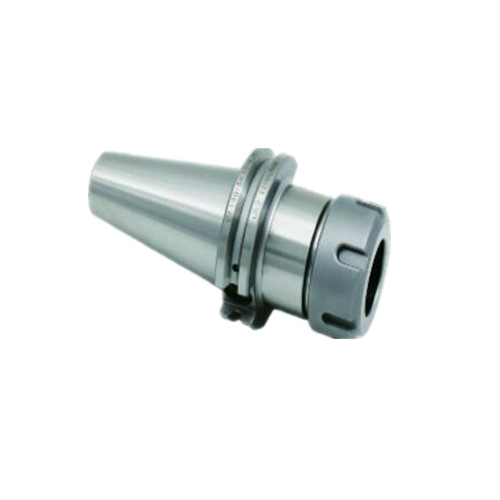
Supplier reference photo. CAT ER holder example; spindle size, connection and gauge length are confirmed before ordering.
CAT TOOL HOLDER SERIES
CAT tool holder inquiries for ER collet, end mill or face mill connections. Send the CAT size, machine model and gauge length to identify the required holder.
Send FuRui your CAT tool holder requirement with the machine model, CAT interface size and an existing holder code or drawing. Specify the tool-side connection, such as an ER collet system, an end mill bore or a face mill pilot, together with the required gauge length. The proposed model, dimensions, retention details and supplied items are confirmed in the quotation before ordering.
Provide the CAT size and machine documentation needed to confirm the spindle connection.
Specify whether the inquiry concerns ER, end mill, face mill or another holder arrangement.
Dimensions and retention details remain subject to an approved model or drawing.
A CAT interface designation identifies the machine-side family, not the cutting-tool shank diameter. An ER series identifies the collet system, not the exact bore to order. Specify those two connections separately, then add the required holder length and the drawing reference points used to measure it.
Overall length, gauge length and exposed cutting-tool length are not the same measurement. For a replacement, mark the start and end of each required dimension on a photograph or drawing. Include the space around the workpiece and fixture when reach or access is the reason for changing the holder.
For an ER-style holder inquiry, compare ER collet series and bore selection, then specify the series and tool-shank diameter separately from the CAT machine interface.
Identify which items are needed: holder body, retention knob, collet and nut, or cutter fixing parts. An existing holder code can help locate a reference, but it does not establish that the same accessories, coolant arrangement or inspection results are included.
If runout matters to the job, state the required value, test-bar diameter, measurement distance and whether the test is on the holder or assembled tool. For balancing, state the intended operating speed and requested verification scope. These are requirements to review, not published performance ratings for the CAT series.
For background on CAT and BT flange differences and machine-specific retention knobs, see the Haas-hosted mill setup reference, pages 25 and 27. Your machine manual and the proposed holder drawing remain the selection references for your order.
The company catalog introduction lists CAT tool holders but does not include a dimensional series table. Confirm the interface, holder type and final drawing before quotation.
| Required order data | Accepted information |
|---|---|
| Machine interface | CAT size and machine model |
| Holder type | ER collet, end mill, face mill or other |
| Length | Gauge length or existing holder code |
Typical selection contexts for this series, not customer project claims. Confirm machine compatibility and cutting conditions for your setup.
Defining a holder requirement for a machining center already using CAT tooling.
Matching an existing holder using a complete code and dimensional evidence.
Keeping CAT requirements separate from BT and HSK items in a tooling schedule.
Specify the dimensions, tolerances and records your order requires. Acceptance criteria must be agreed for the selected model.
Check the drawing reference faces and units. A catalog size alone does not define a tolerance or an inspection method.
List any required dimensional report, material document or model identification photograph in your inquiry. Confirm availability and scope in the quotation.
For a drawing-based part, include the drawing revision and identify the critical dimensions. Website photographs are not inspection reports.
Agree the packing method and photo requirements when confirming your order.
No verified shipment photographs for this series are currently published. Include selected-model, protective-packing and outer-label photos in your order requirements.
Discuss packing requirementsUse this checklist to agree what should be documented for your selected model.
Stock, dispatch date and shipping method are confirmed with the quotation. Website images are not live inventory evidence.
Keep a copy of the current series information for comparison. Confirm the final model and drawing before placing an order.
View specificationsRead interface names and ordering codes before choosing a holder.
Read the guideBrowse the existing tooling guides and compare product families before selecting a model.
Browse technical resourcesCompare alternative interfaces and complementary tooling. A related series is not automatically interchangeable.
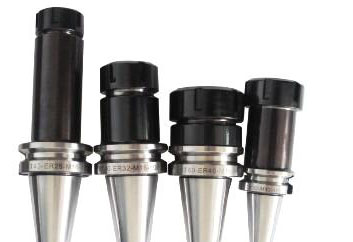
BT30 / BT40 / BT50
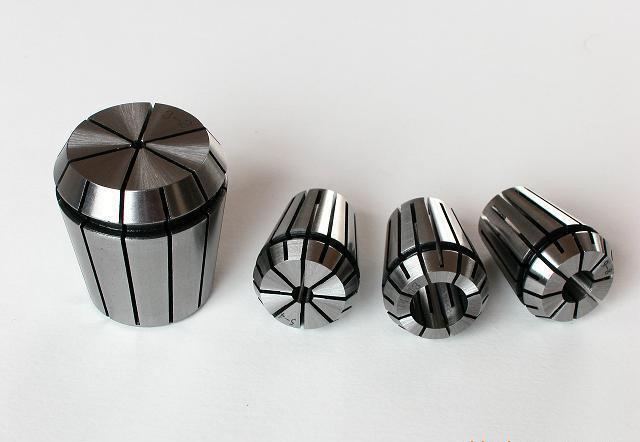
ER8-ER40

HSK TOOL HOLDER SERIES
Send the CAT interface size, machine model, holder type and required gauge length. Include an existing holder code or a dimensioned drawing, together with quantity and the machine's retention-knob requirements. For an ER holder, also identify the ER series and tool-shank diameter. The proposed model and supplied items must be confirmed in the quotation.
Do not treat CAT and BT holders as interchangeable. Their tool-change flange arrangements differ, and the holder and retention knob must match the machine's specified connection. Use the machine manual and the CAT holder's own drawing for selection; a BT model or drawing does not establish a CAT replacement.
It can be a reference, but provide dimensional and machine details so the actual proposed product can be confirmed.
No verified series-wide balance or runout values are published here. Specify the required runout, test-bar diameter and measurement distance, and identify whether acceptance covers the holder or assembled tool. Include intended operating speed and any balancing documentation required; capability and inspection scope must be confirmed for the offered model.